Sweet roots take the roasted sweetness of gochugaru better than anything else on the shelf.
Author: finferno
-
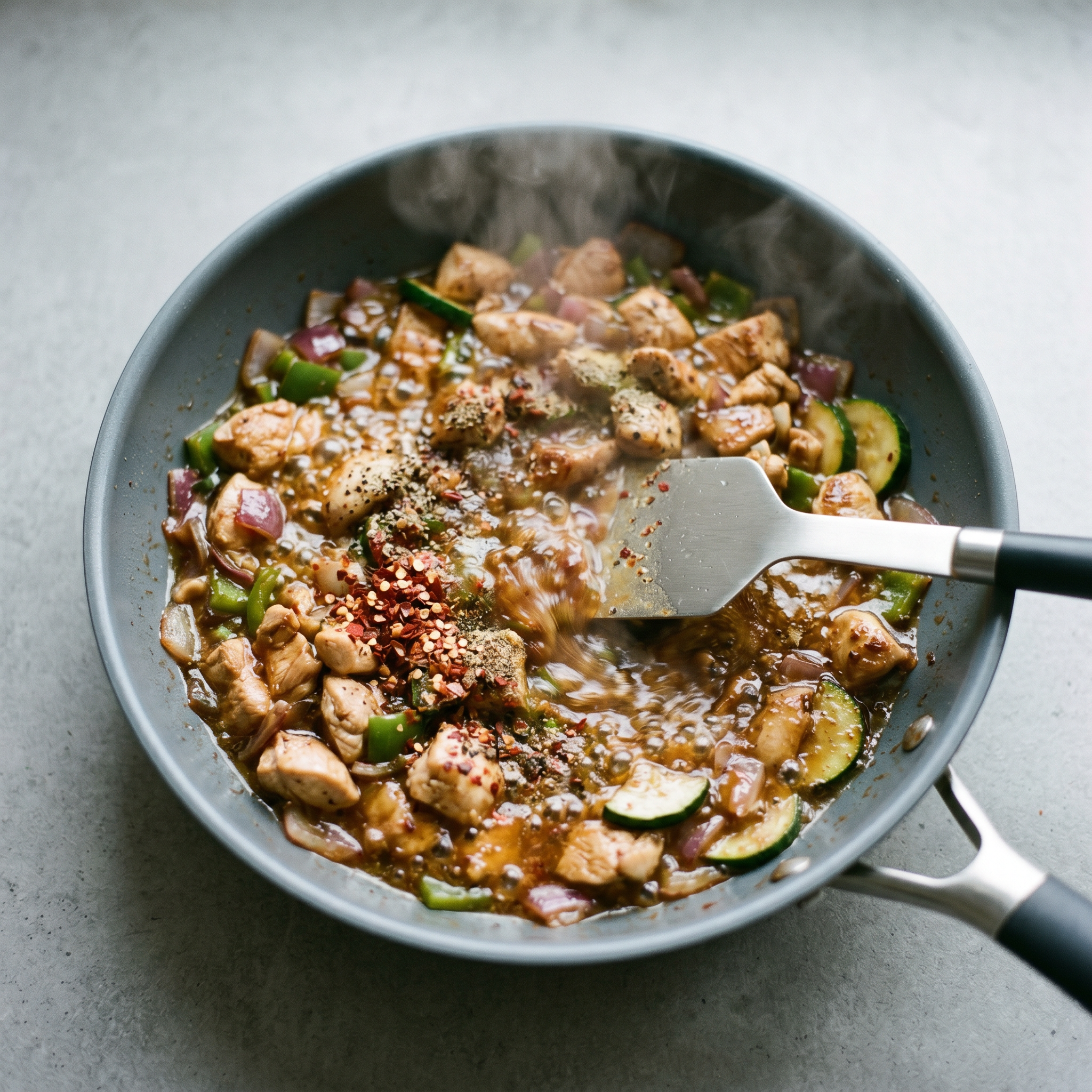
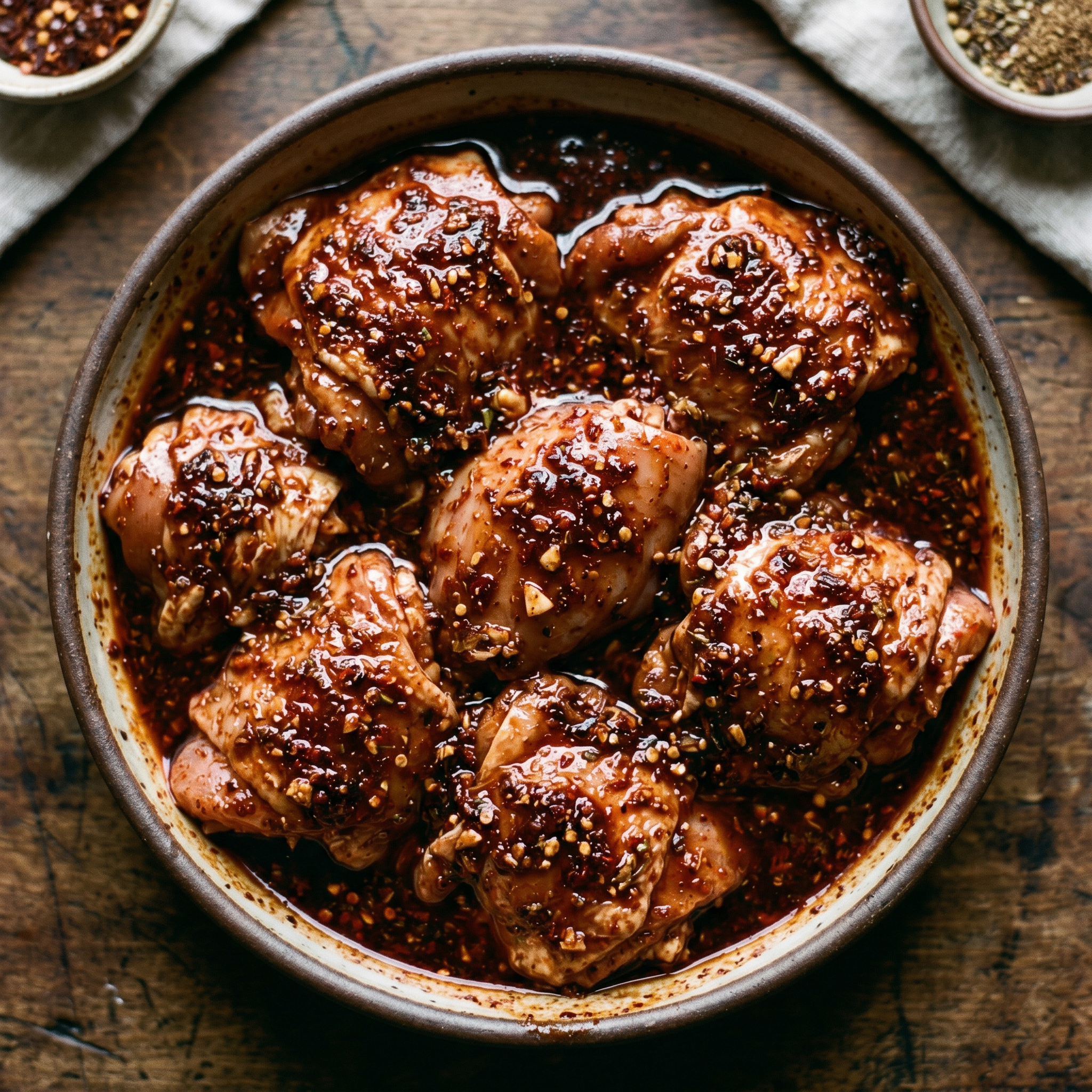
Weeknight chicken pan
Two teaspoons in at the end, off the heat, so the aroma survives. The simplest way to learn the flake.
-
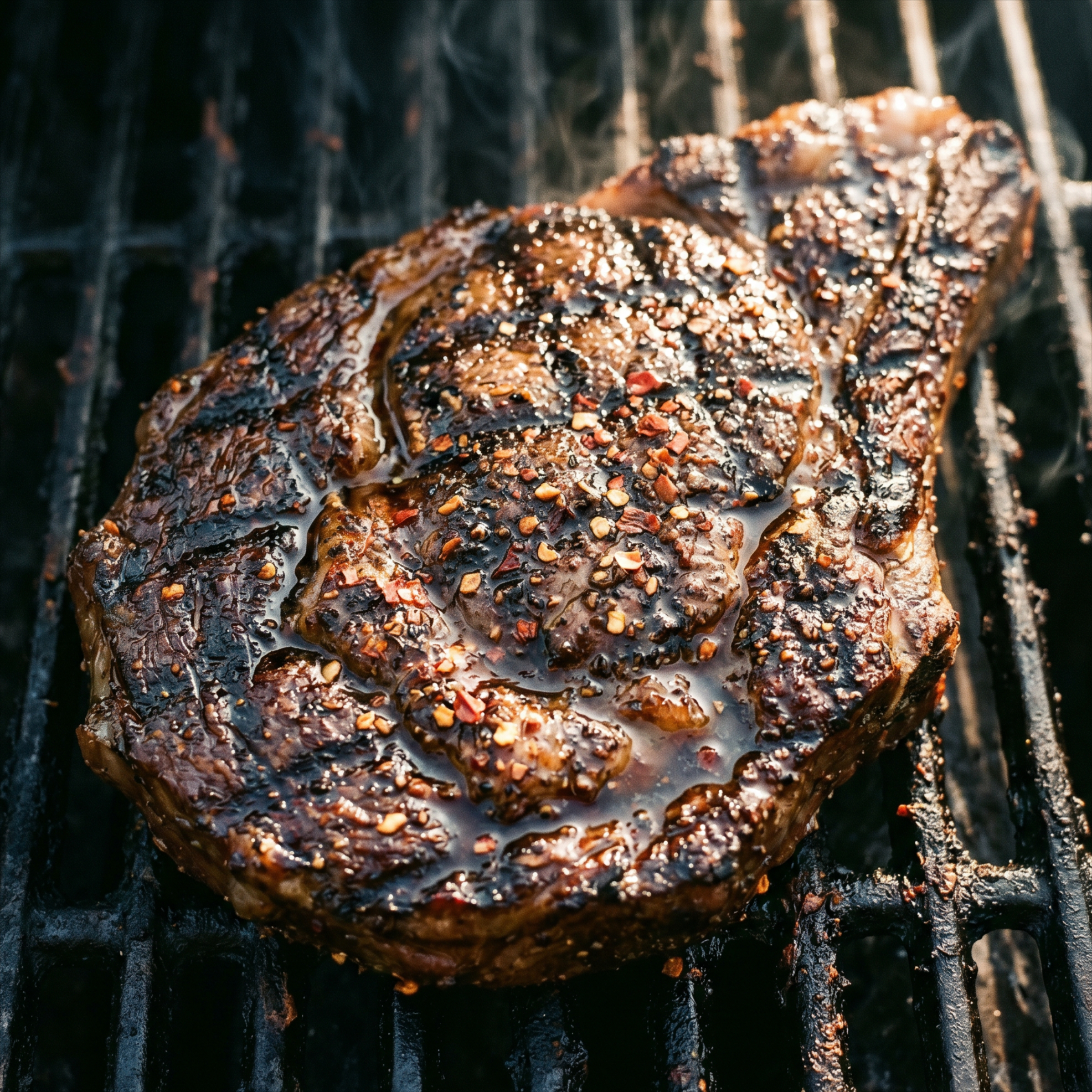
Chili butter ribeye
Melted into butter with crushed garlic and spooned over the steak while it rests. The flakes stay visible.
-
Kimchi, first batch
The classic use, and the reason the flake exists. Gochugaru is the only chili in the paste — nothing else needed.
-
Why we ferment when drying would be cheaper.
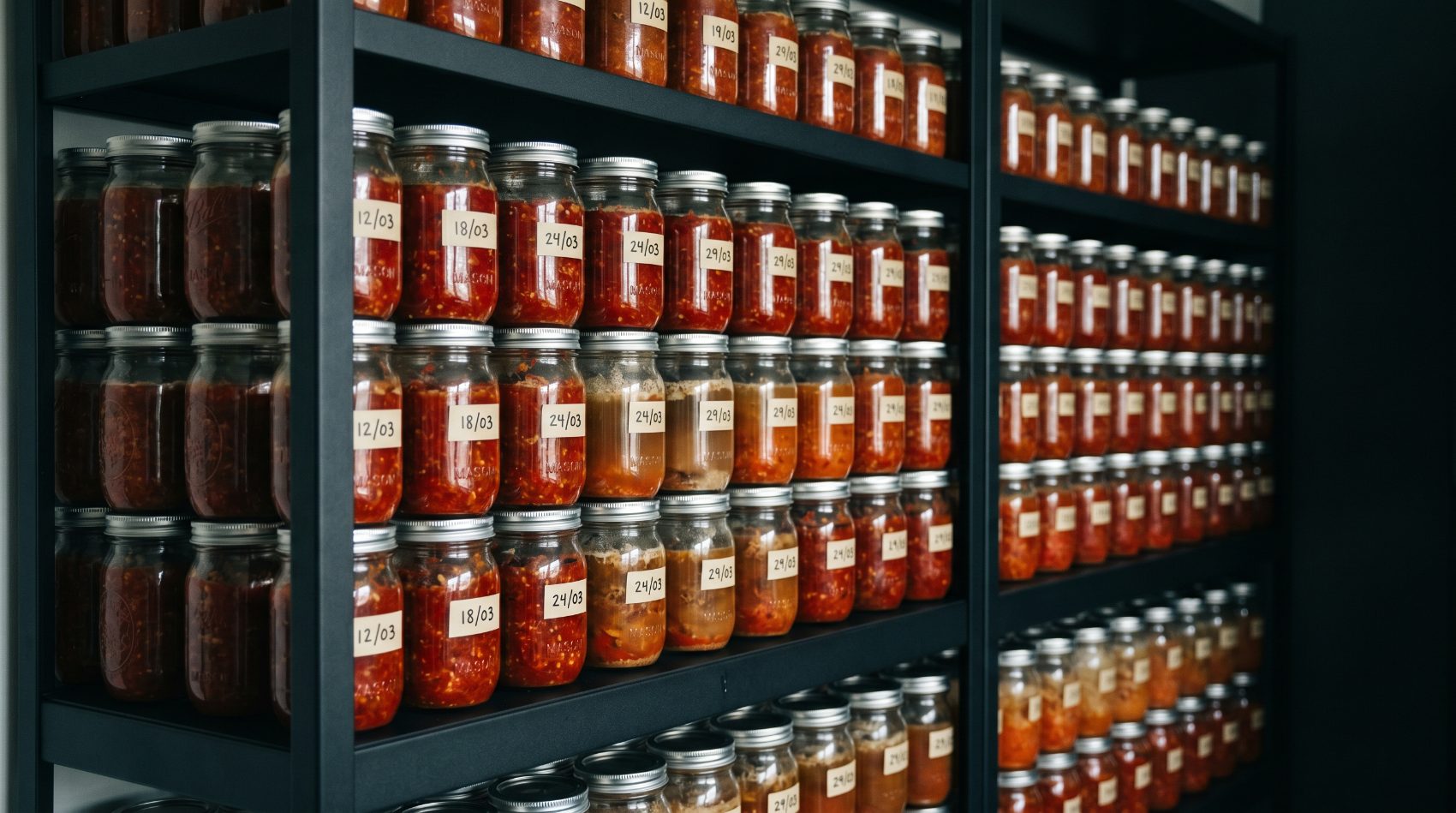
Drying chili takes a day. Fermenting it takes six weeks, a cold room and a shelf that could have held finished stock. We do it anyway, and this is the part of the argument that is actually measurable.
Heat has a shape.
Capsaicin does not change in the jar. What changes is everything around it. In a dried flake the burn arrives instantly, peaks and drops. In a fermented sauce at the same nominal strength, it climbs for a second or two, sits flat, and lets go slowly. Guests read the first as hotter and the second as better.
That is the whole reason we keep a cold room. Not the hottest, the most considered is easy to print on a label and hard to build into a product. Fermentation is the part of the process where the claim actually gets earned.
What we measured · 40 batches
- Ferment length
- 42 days
- Salt
- 3.0% by weight
- Perceived peak heat
- −0.4 of 5
- Perceived length of burn
- +2.1 s
- Batches compared
- 40
The first batch I fermented properly tasted like the sauce I had been trying to buy for ten years.
Tommi · founder
Where it is the wrong answer.
Ferment a Gochugaru flake and you lose the dry, papery snap that makes it work in kimchi paste. Ferment an Ancho and the raisin sweetness goes flat. Roughly a third of our range is never fermented, and the label says which is which.
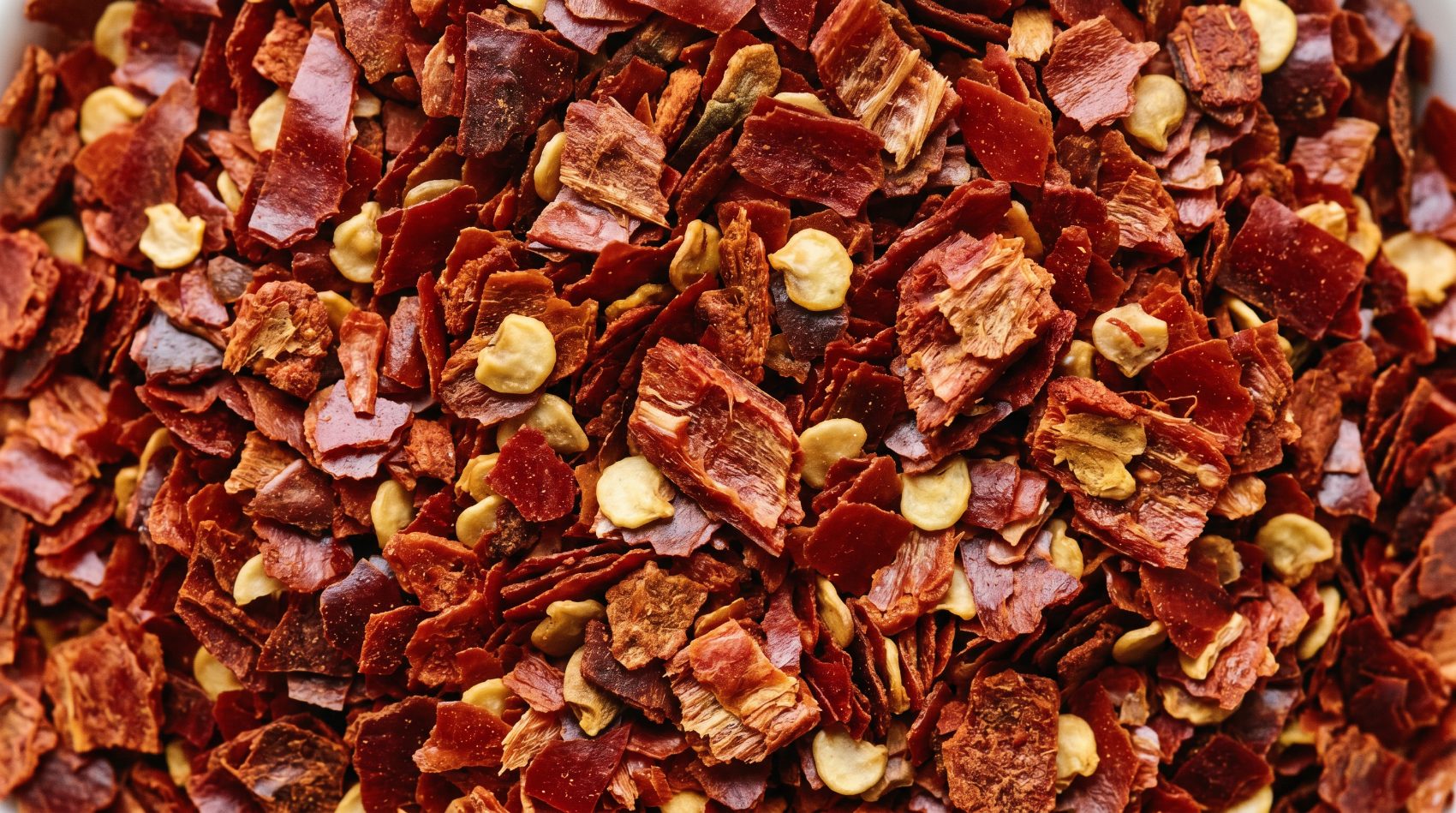
Coarse mill, never fermented. The flake that goes into kimchi. So the honest version of the rule is narrower than a slogan: ferment when you want the heat to round, dry when you want it to cut. Both need the same floor of at least 10% real chili to be worth opening.
What we would test next.
A longer ferment on the ghost chili, at a lower salt percentage, in the coldest month. If it survives twelve weeks without going soft, it goes in the range next winter. If it does not, you will read about that too.
-
Salt percentages, tested to the gram
We ran the same batch at 2, 3 and 4% salt for six weeks. One of them was clearly wrong.
-
What ≥10% actually looks like
We opened four supermarket jars, weighed the chili out of them, and put the numbers side by side.
-
Ghost chili on a Finnish windowsill
Nokia gets 61 degrees of latitude and not much sun. It still ripened, six weeks late.
-
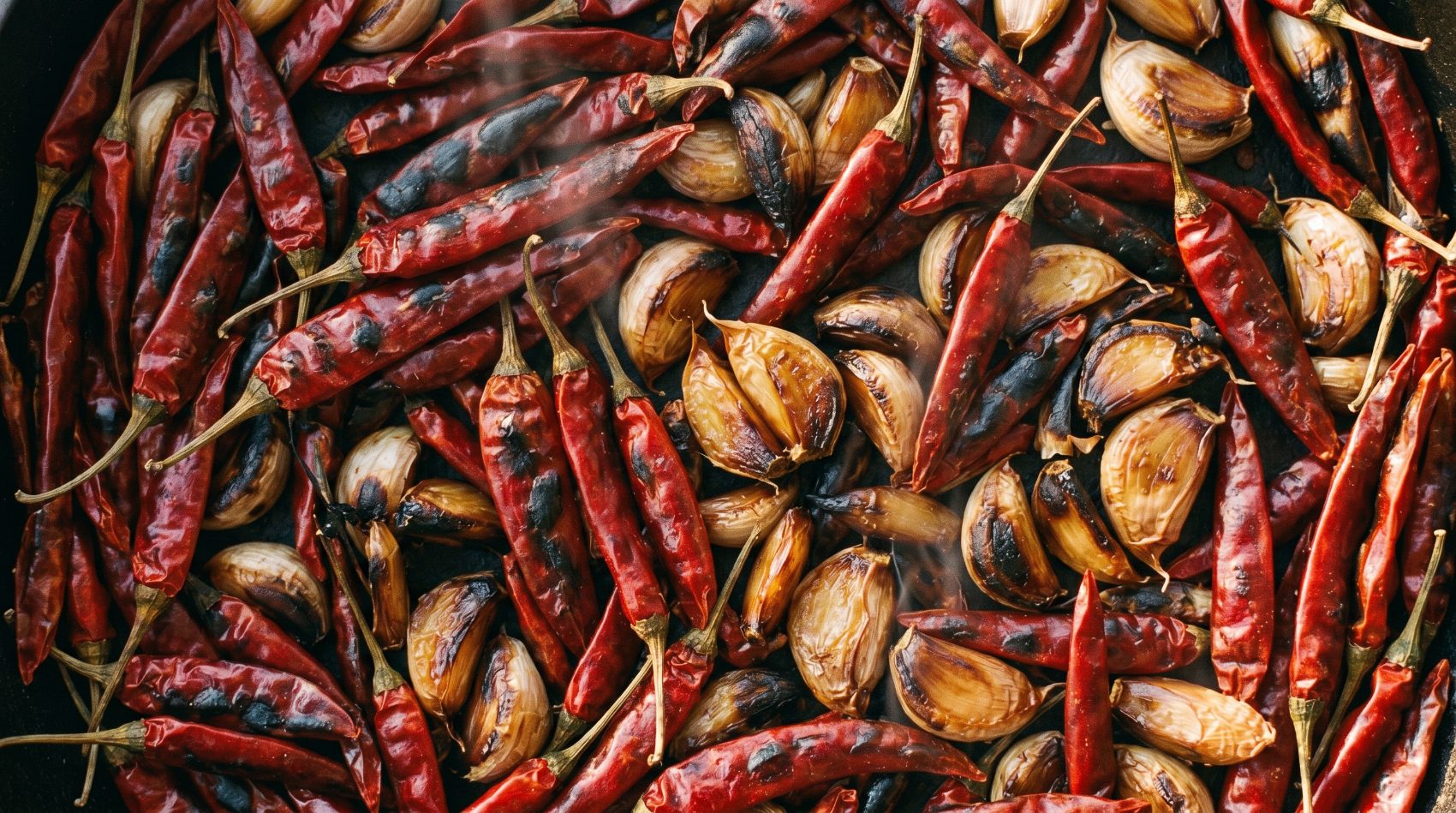
Roasting garlic until it turns sweet
Low heat, longer than feels sensible. Where the depth in our sauces comes from.
-
The kitchens that put us on the table
Three chefs on how they use a fermented sauce that is not built for a squeeze bottle.

